
Most bad trailer purchases share one root cause: the buyer shopped the way they shop consumer electronics — by a short label and a low sticker. Marine trailers punish that habit. A “14ft” tag does not prove capacity. A glossy photo does not prove support geometry. A cheap frame does not stay cheap after the first season of ramps and highway miles.
1. Start with the boat, not the inventory list
Write down, even approximately:
- Boat or PWC type and model
- Ready-to-tow weight (hull + motor + fuel + batteries + gear)
- Overall length and beam
- Hull bottom shape (V, modified V, flat, steps, unusual)
- Where you launch (lake, Gulf-influenced, steep ramps)
- How often you tow and where you store the trailer
If you only know dry weight from a brochure, assume real travel weight is higher. That single habit prevents a large share of under-spec purchases. See our weight capacity guide.
2. Decision table: what should lead
| Factor | Why it matters |
|---|---|
| Ready-to-tow weight | Drives ratings, tire/axle reality, and safety margin |
| Hull shape | Decides whether stock bunks/rollers are responsible |
| Launch environment | Changes corrosion, rinse habits, and lighting stress |
| Towing frequency | Raises the cost of weak bearings, tires, and balance |
| Storage | Outdoor storage rewards corrosion-aware structure and inspection |
3. When stock is fine — and when custom is smarter
Stock / batch path often works when the hull is predictable, weight is known, and you want a cleaner purchase timeline. Our current personal path is the 14ft galvanized pre-sale after fit review.
Custom is smarter when the hull is odd, high-performance, already damaging a generic trailer, or clearly outside compact batch assumptions. Forcing stock to “make it work” usually costs more later than a proper design conversation.
4. Material is not step one
Galvanized, aluminum, and premium paths all have tradeoffs. Solve fit and capacity first, then compare materials for your water and storage pattern. Read galvanized vs aluminum.
5. Mistakes personal buyers regret
- Choosing only by visible price screenshots
- Ignoring tongue weight and road manners until the first long trip
- Assuming “galvanized” means maintenance-free
- Sending a deposit before VIN/paperwork questions are answered
- Waiting until pickup day to discover the boat never truly fit
6. How WSAR Outdoor runs a personal purchase
- You send boat details (photos help).
- We review fit for stock batch, PWC path, or custom.
- Written terms come before deposit instructions.
- Website forms never charge a card.
- Katy, Texas pickup is coordinated by appointment when the unit is ready.
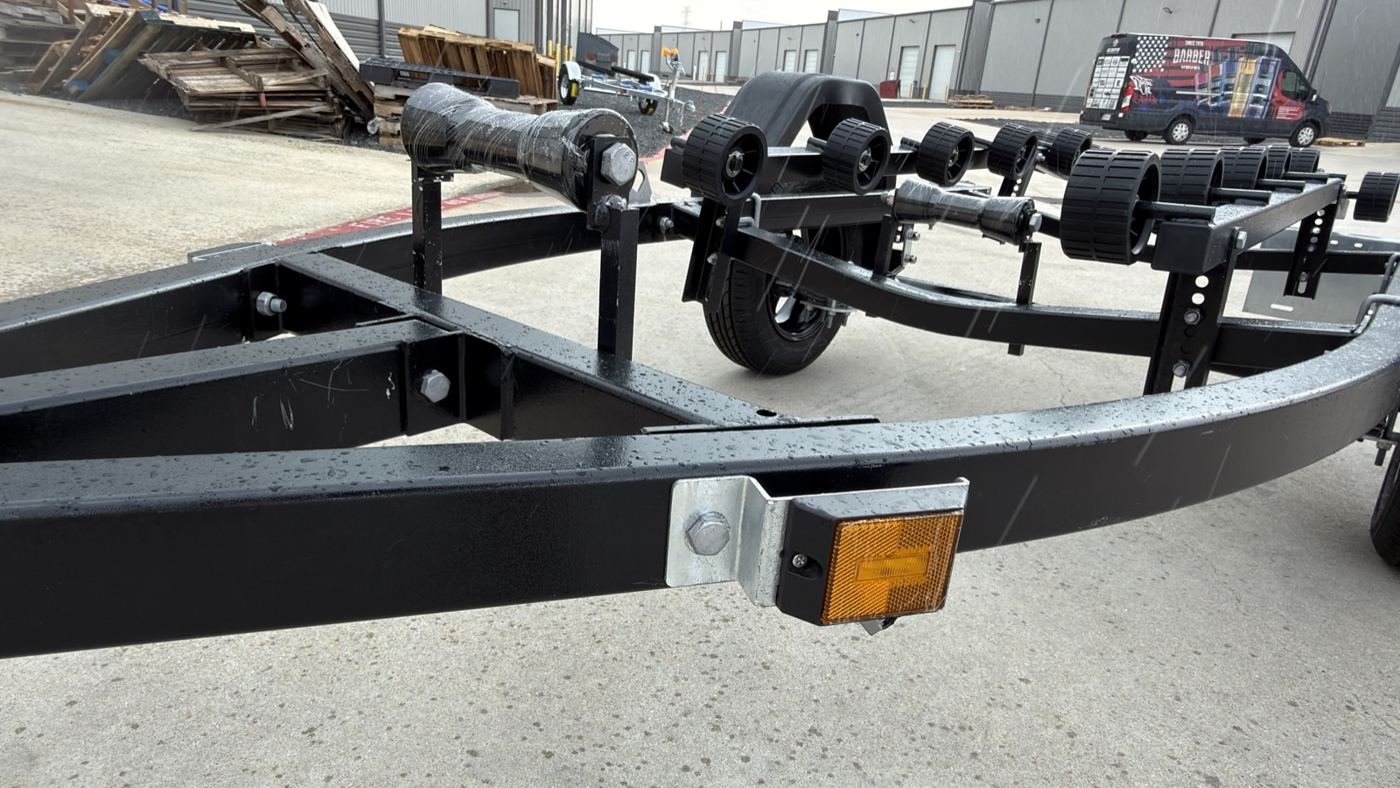
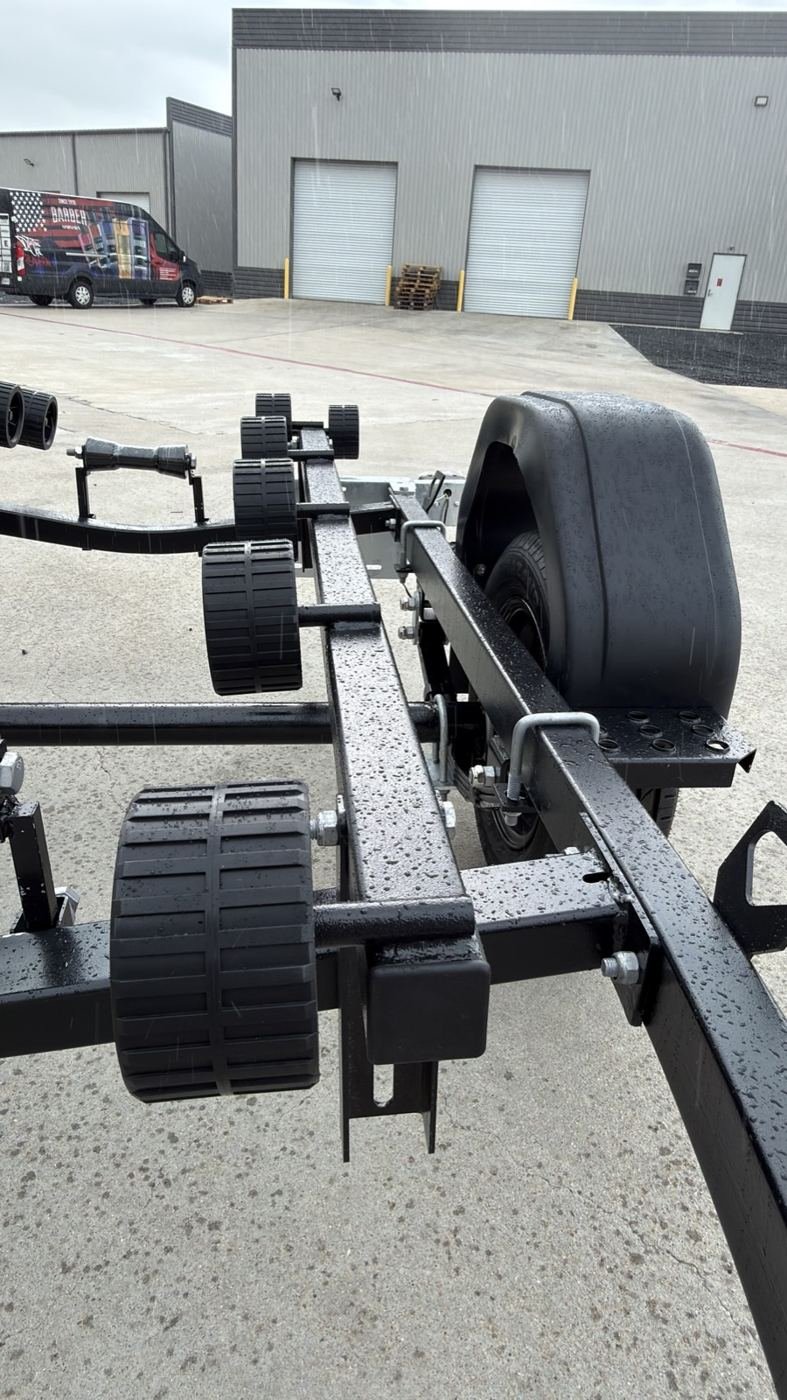
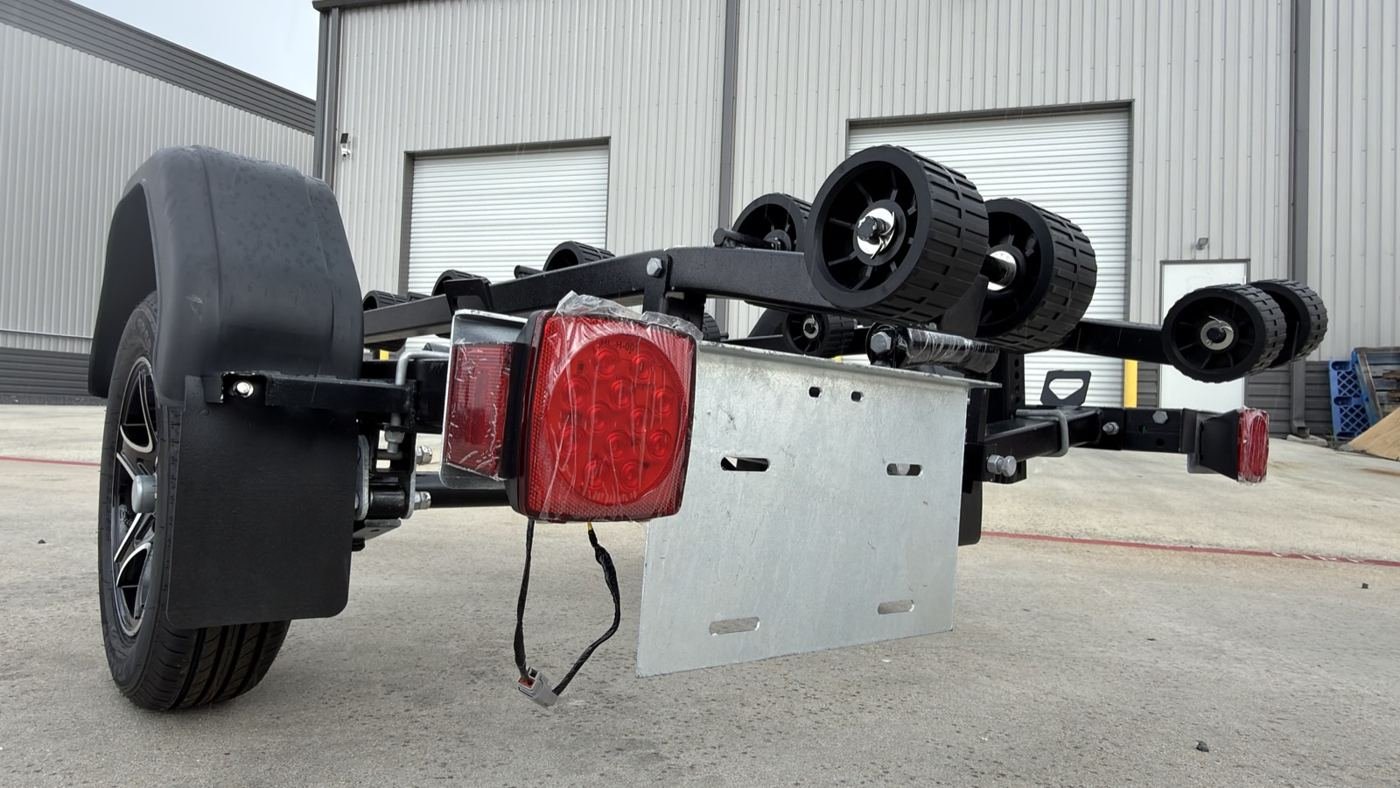
If you want a fit review for the current 14ft batch or a custom path, send boat details or open the $1,499 offer page. Website forms never charge a card.